Reimagining Activism Post-Pandemic
The COVID-19 pandemic catalyzed changes in activism, challenging traditional models and spurring innovation. Mass protests faced limitations due to physical distancing, prompting activists to adopt flexible strategies and embrace digital platforms.
Digital technology emerged as both an asset and potential liability:
- Social media facilitated new connections and support networks
- Raised concerns about surveillance and misinformation
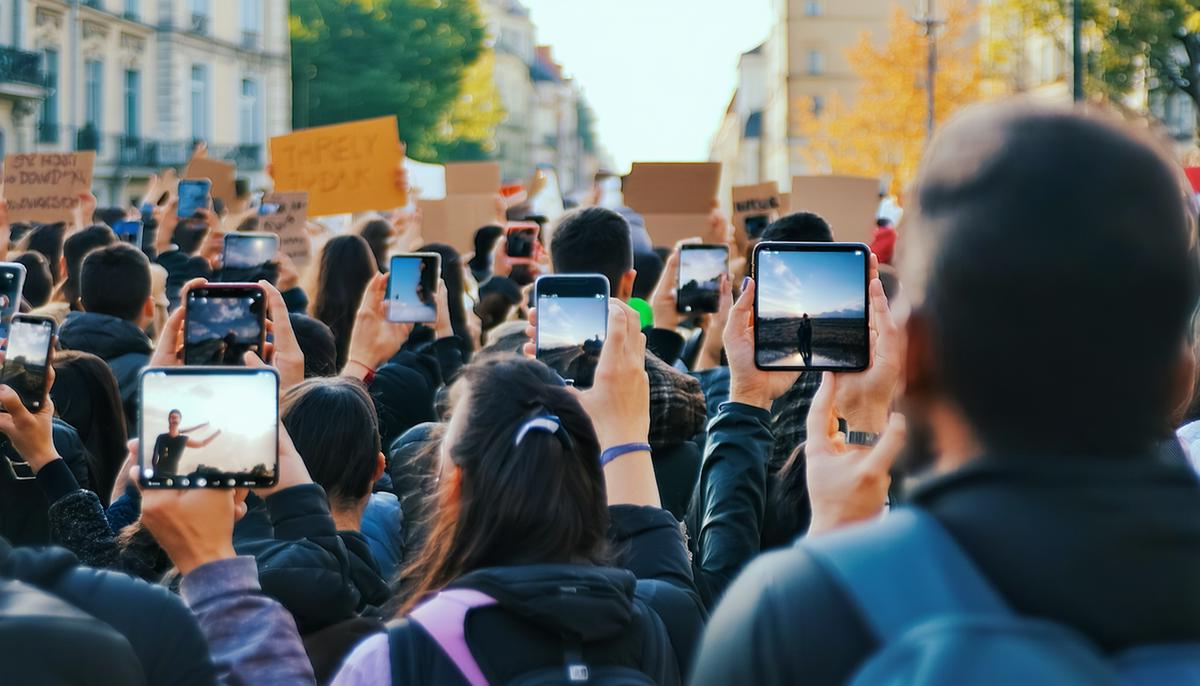
- Spanish activists creatively projected their bodies onto parliament buildings for virtual protests
While digital spaces expanded activism's reach, face-to-face interactions remained crucial for community mobilization. The pandemic necessitated a shift to virtual meet-ups, with activists sharing ideas through video calls and online hangouts.
This transition fostered a renaissance in activism, characterized by improvisation and adaptability. Direct action gained traction as grassroots groups addressed issues firsthand. Though traditional rallies were limited, the spirit of activism persevered through inventive approaches.
As we emerge from the pandemic, activists are reimagining the landscape of social change. Drawing from collective experiences, they confront the future with renewed creativity and determination to forge bold alliances.
Building Alliances and People Power
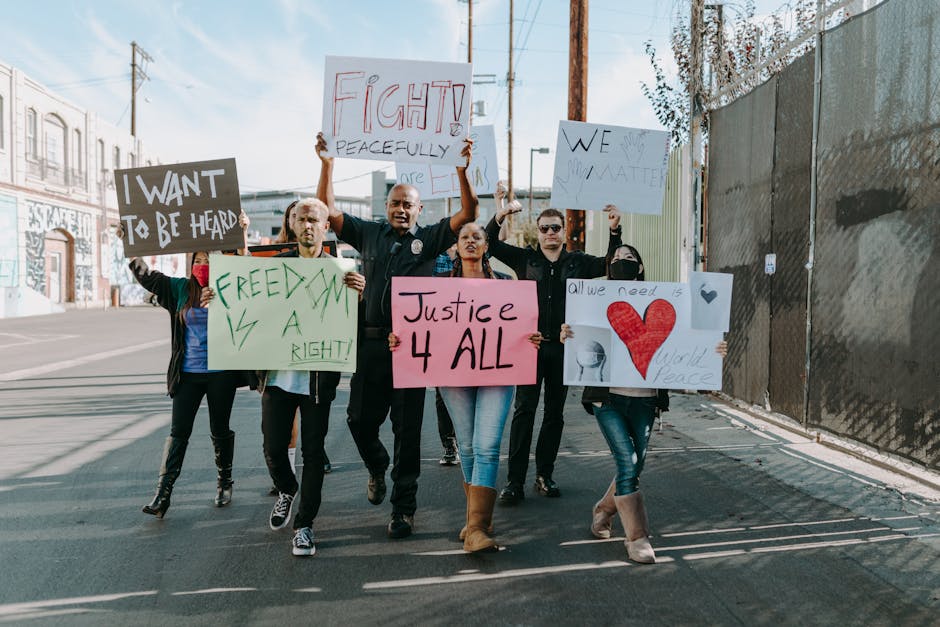
Alliance-building is crucial in activism, uniting diverse communities into a formidable force for progressive movements. This process requires both finesse and resilience, bridging long-standing divides between groups seeking change. The challenge lies in harmonizing various perspectives and experiences to create a powerful collective voice demanding justice.
Successful alliances demand:
- Empathy and understanding
- Acknowledging historical grievances
- Addressing present-day misunderstandings
Small groups play a vital role, serving as agile laboratories for new organizing methods and fostering trust and camaraderie. These intimate circles can swiftly experiment with different strategies, from digital tools to face-to-face initiatives.
They facilitate unlikely partnerships, such as:
- Environmental groups connecting with labor unions
- Racial justice advocates finding common ground with LGBTQ+ rights champions
However, the path to solidarity is often fraught with challenges. Power dynamics, cultural barriers, and differing priorities can create friction. Continuous dialogue and course adjustment are essential, maintaining focus on shared goals while resisting uniformity and embracing diversity.
Through these alliances, real change is catalyzed—fueling campaigns that challenge entrenched systems. The progressive movement advances not with a single voice, but as a resounding choir of shared purpose, echoing the collective strength of united communities.
Direct Action and Creative Resistance
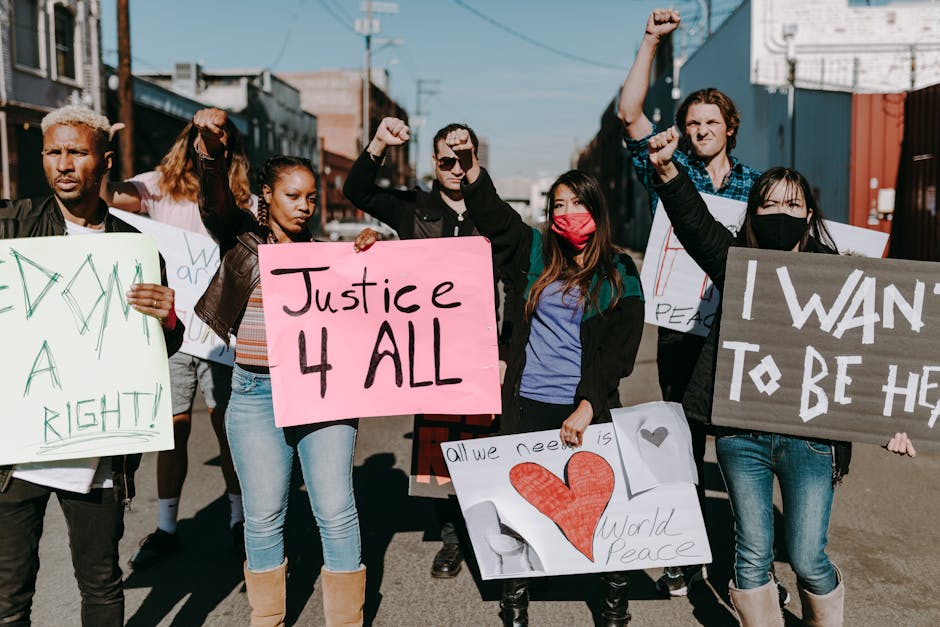
Direct action remains a cornerstone of activism, infusing the fight for justice and equality with vitality and purpose. It's where action becomes art, and results reflect resilience and resourcefulness.
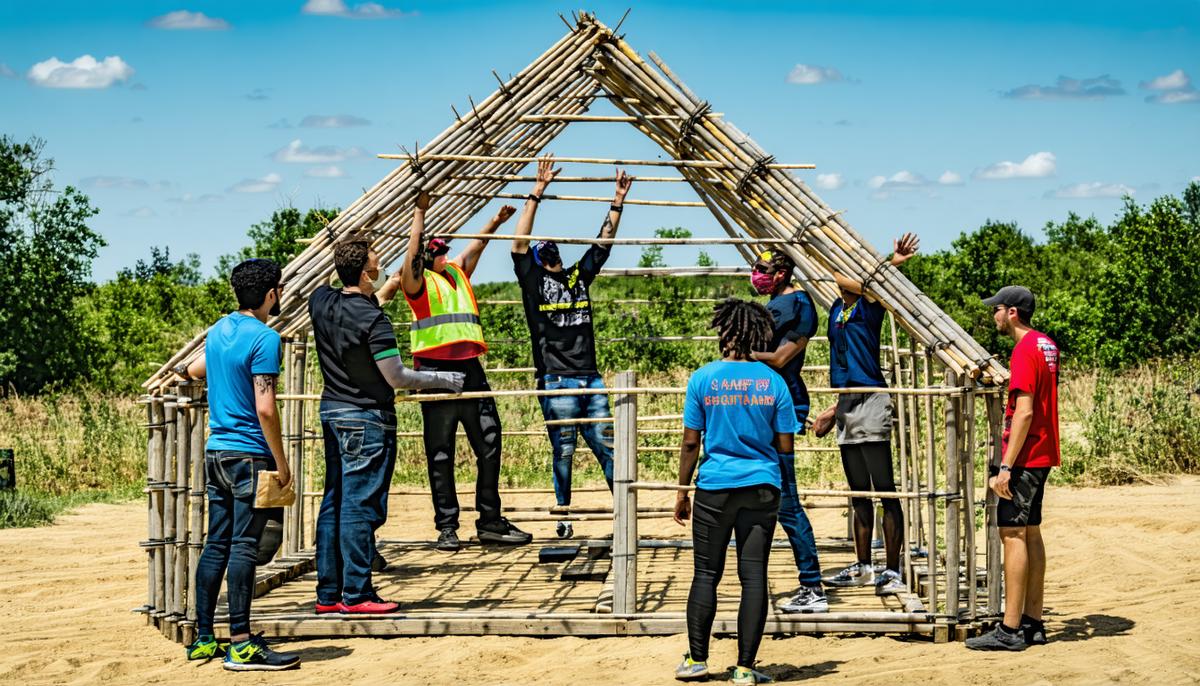
The Movimento dos Trabalhadores Rurais Sem Terra (MST) in Brazil exemplifies this approach. By occupying unused land, they not only protest inequality but also build sustainable communities rooted in cooperation and collective purpose.
This form of action transcends mere demonstration, calling for solutions embedded in action. Radical imagination fuels such approaches, turning potential into realities where systems are reimagined. The Zapatistas of Chiapas, Mexico, illustrate the power of self-determination and alternative governance models.
In the post-pandemic world, creative resistance finds new expression in grassroots efforts worldwide. Direct action has evolved beyond traditional methods, embracing versatility and innovation. It manifests in:
- Pop-up health clinics bridging systemic gaps
- Digital disobedience dismantling oppressive barriers
Moving forward, creative resistance demands a blend of audacity, artistry, and unity. It involves envisioning new pathways through inclusive alliances and translating aspirational goals into tangible achievements. While adapting and innovating, it remains steadfast in challenging power structures, fusing action with creativity to cultivate a landscape of equity.
Constructive Resistance and Enacting Alternatives
Constructive resistance goes beyond opposition, focusing on creating alternatives to unjust systems. It's a proactive approach that builds new realities rather than simply challenging existing ones.
Examples of constructive resistance in action:
- The MST in Brazil transforming unused lands into thriving, self-sufficient communities
- Zapatistas in Chiapas, Mexico creating autonomous regions with independent education, healthcare, and economic systems
These models reveal the potential of constructive resistance to enact systemic change that is both radical and sustainable. By building alternative systems, movements demonstrate that another world is not just possible but achievable.
The long-term impact of constructive resistance lies in its ability to foster resilience and local autonomy. By empowering communities to create their own solutions, it ensures that changes are meaningful and relevant to those they affect.
This approach compels us to expand our imagination and embrace enduring solutions aligned with justice and equality. It paints a future defined not by constraining systems, but by the creativity and agency of those who envision a different path. Through constructive resistance, we find not just hope, but the tools to manifest a world where equity is an everyday reality.
Challenges and Opportunities in a Changing Political Landscape
The post-pandemic landscape presents both challenges and opportunities for progressive activism. Key factors shaping the movement's future include:
- Technological advancement
- Cultural backlash
- The need for unity
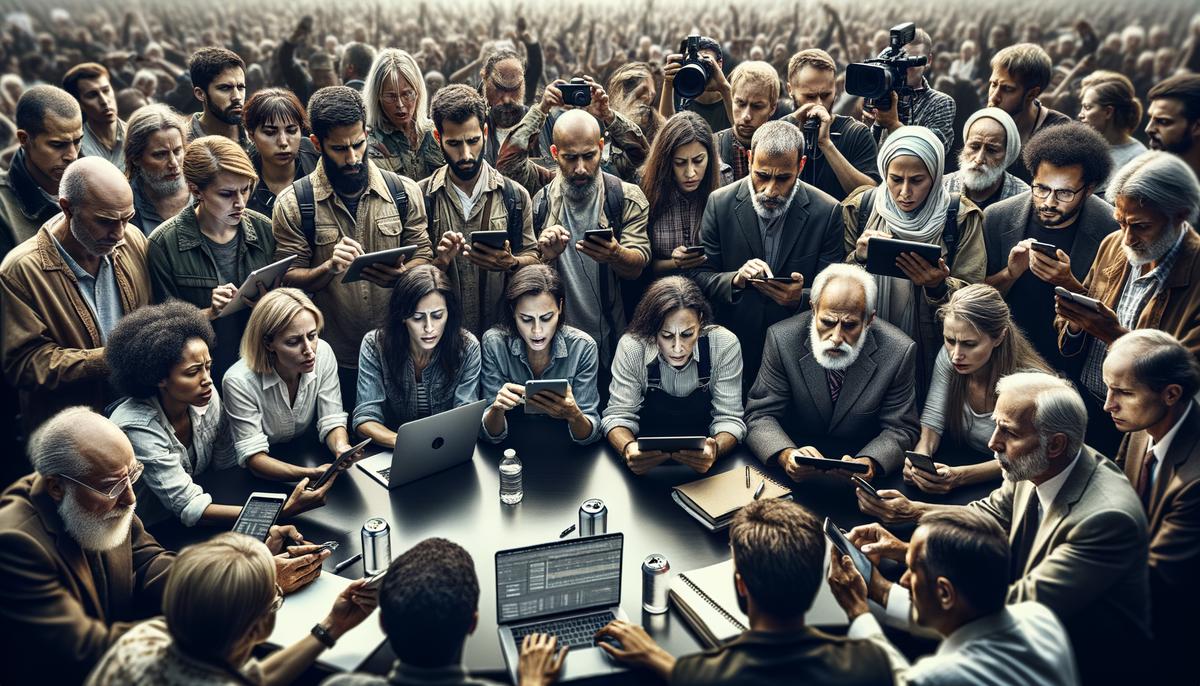
Technology has expanded the capability to connect, share, and organize, enabling new forms of engagement and collective action. However, it also facilitates the spread of misinformation and increases surveillance, posing challenges for maintaining trust within movements.
Cultural backlash has intensified globally, with identity and ideology becoming battlegrounds. The pandemic's spotlight on societal inequalities has paradoxically led to increased polarization. Progressives must navigate this cultural milieu with sensitivity, finding ways to bridge divides while upholding principles of diversity and equality.
Amidst these changes, the need for a cohesive agenda is paramount. Progressives must articulate a vision that unifies diverse stakeholders, drawing strength from common values of justice, dignity, and resilience. This agenda should inspire widespread support and channel the progressive spirit into tangible, impactful strategies.
The path forward requires balancing individual causes with collective action to drive systemic change. It involves crafting an inclusive narrative that can hold different voices while maintaining a focused push for progress.
As progressives navigate this evolving landscape, the task is to transform challenges into opportunities. By wielding tools such as technology and cultural understanding with care and wisdom, they can forge a future defined by bold progress and unwavering commitment to social justice.
As the landscape of activism continues to shift, the enduring power of creative resistance stands out. It is through this blend of imagination and action that movements can redefine the future, crafting a world where justice and equity are not just ideals but lived experiences.
- Moyer B. The Movement Action Plan: A Strategic Framework Describing The Eight Stages of Successful Social Movements. History Is A Weapon. 1987.