
Understanding Sustainability in Organizations
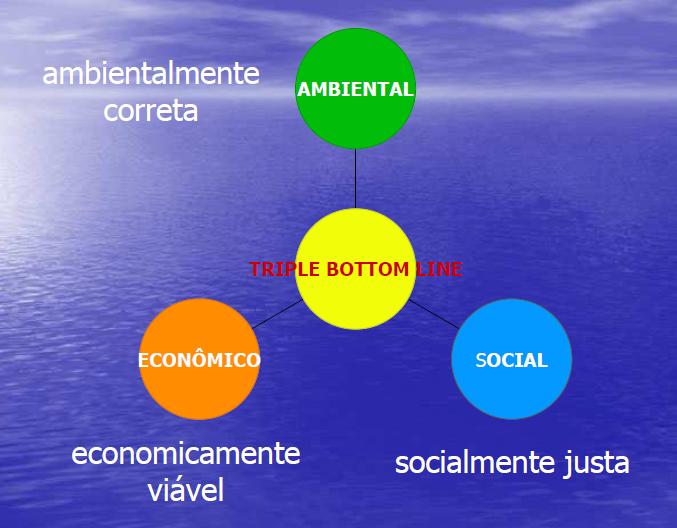
Understanding sustainability in organizations requires looking beyond surface-level initiatives. It's about a comprehensive commitment where companies operate with environmental and social responsibility while maintaining profitability. The triple bottom line—planet, people, profit—should guide every corporate decision.
Organizations must adapt their cultures to embrace sustainability across environmental, social, and economic dimensions. This shift involves rethinking processes, policies, and products through the lens of sustainability. Using ESG criteria—Environmental, Social, and Governance—companies can gauge the full impact of their activities.
The pressure from shareholders, regulatory shifts, and rising consumer awareness means businesses must get strategic or risk being left behind. Customers seek products that conserve resources and companies that treat employees fairly. They're questioning not just the what and how, but the why.
Businesses face challenges in integrating sustainability, from understanding metrics to aligning stakeholder interests. The key lies in making sustainability synonymous with opportunity. Resource efficiency can be both environmentally friendly and cost-effective.
For many, sustainability becomes meaningful when woven into the corporate fabric. This commitment ignites when leadership prioritizes transparency, accountability, and ethical governance. It's about balancing short-term gains with long-term impacts and ensuring operations don't compromise future generations' ability to meet their own needs.
Progress demands an honest assessment of current practices. The journey involves making environmentally sound decisions, fostering social equity, and innovating efficient economic solutions. It's a path driven by necessity and potential.
Firms rise to the sustainability challenge through cooperation. Policymakers, businesses, and consumers must work together to forge new social contracts. Sustainable practices become the norm through collaboration and shared vision—creating a world where prosperity aligns with principles.
Drivers of Organizational Sustainability
Organizations are increasingly finding sustainability to be a necessity. The drivers steering them are multifaceted, each with its own set of imperatives and benefits. Regulatory pressures act as a catalyst, with governments tightening environmental compliance requirements. Companies now face mandates to reduce carbon footprints, minimize waste, and practice sound resource stewardship.
Market demands are redefining consumer expectations. Today's informed consumers use their purchasing power to support ethical practices, social responsibility, and ecological sensitivity. Brands that align with these values gain customer loyalty, while others risk losing relevance.
Innovation emerges as a critical driver, serving as a cornerstone of competitive advantage. Organizations prioritizing sustainability often find themselves at the forefront of technological advancement. By reimagining products and processes through a sustainable lens, they address ecological concerns while sparking creativity and differentiation.
Benefits of Embracing Sustainability:
- Enhanced financial performance
- Greater employee retention and engagement
- Improved stakeholder relations and brand loyalty
- Operational efficiencies
- Stronger risk management and resilience
- Better alignment with global goals and initiatives
As the landscape continues to evolve, organizations that embrace sustainable practices improve their short-term standing and position themselves as leaders in shaping a viable future.

Challenges in Implementing Sustainability
Adopting sustainability within an organization presents significant challenges. One primary obstacle is resistance to change. Employees and stakeholders accustomed to traditional operations often view sustainability shifts with skepticism. Successful transition hinges on effectively addressing concerns and demonstrating clear benefits, integrating sustainability goals into the organization's culture.
Another challenge is the difficulty of measuring outcomes. Sustainability metrics differ from conventional performance indicators, which can complicate decision-making and assessment. Quantifying the impact of reduced carbon emissions or improved corporate ethics isn't always straightforward. Businesses must adopt frameworks that capture these multi-faceted dimensions to track progress effectively.
Change management emerges as a critical component in driving sustainability efforts forward. It involves:
- Understanding key stakeholders
- Aligning their interests with sustainability goals
- Cultivating buy-in
This approach assures stakeholders that sustainability is a strategic opportunity for growth and resilience. Engaging employees through clear communication, training programs, and inclusive decision-making nurtures a sense of ownership and accountability.
Implementing sustainability also exposes organizations to the challenge of aligning internal practices with external pressures and expectations. Businesses must navigate evolving regulatory demands, shifting market trends, and increasing consumer scrutiny. This external environment necessitates flexibility, adaptability, and a commitment to continual improvement.
The human component is vital amidst all the data and strategy. Success depends on treating sustainability as a shared endeavor, where everyone's voice contributes to shaping the future. By creating genuine alignment and fostering an inclusive culture, organizations can transform the challenge of implementing sustainability into enduring success.

Role of Change Management in Sustainability
Change management plays an indispensable role in implementing sustainability, acting as the bridge between aspiration and achievement. It turns potential deterrents into definitive drivers for progress.
Clear, consistent communication is fundamental to reshaping attitudes and aligning the collective mindset with sustainability goals. By articulating the value of sustainability in relatable terms, companies can build a shared vision for the future. Effective communication also requires active listening to understand stakeholder concerns and motivations.
Leadership is critical in steering the organization toward sustainable practices. Leaders who embody sustainability principles through their actions set a precedent, fostering trust and inspiring others to follow. They maintain momentum, keep the conversation alive, and reinforce the belief that sustainability is an attainable journey.
Change management nurtures innovation by creating an environment where creative solutions can flourish. It helps craft frameworks that support initiatives by:
- Breaking down silos
- Promoting cross-functional collaboration
- Empowering employees to contribute their insights to the sustainability dialogue
Stakeholder buy-in is crucial to any sustainability effort. Change management facilitates this by recognizing the unique contributions and expectations of each group, building a coalition dedicated to common objectives. By involving stakeholders early in the process, organizations can better anticipate challenges, mitigate risks, and co-create solutions.
As businesses navigate the complexities of sustainability, change management provides the blueprint for enduring transformation. It blends leadership with strategy, ensuring that change becomes part of the organizational DNA. By aligning values, actions, and aspirations, change management catalyzes the realization of sustainability goals.

Unified Advocacy for Social Change
Unified advocacy is a powerful force for driving social change, uniting various stakeholders under a common cause. This collaborative approach amplifies individual efforts, transforming disparate voices into a collective call for action. By pooling resources, expertise, and influence, unified advocacy can shift the societal landscape, making previously unattainable goals reachable.
The strength of this strategy lies in its ability to spotlight issues on a large scale. A unified voice is difficult for policymakers and influencers to ignore, often resulting in tangible policy shifts. The global climate action movement exemplifies this power, bringing climate change to the forefront of international agendas.
Unified advocacy facilitates the leveraging of complementary skills and resources. When civil society groups, businesses, and governmental organizations align their missions, they can create synergies that propel change further and faster than any could achieve alone.
Challenges of Unified Advocacy:
- Slow process requiring significant time and patience
- Resource constraints
- Concerns over brand identity
- Potential conflicts with existing power structures
Despite these barriers, strategies exist to overcome them. Mentorship and capacity building play crucial roles, with experienced organizations providing guidance and resources to foster growth within the coalition. Clear governance structures and defined roles enhance coordination and prevent conflicts, while long-term resource deployment ensures sustainability in tackling issues.
Unified advocacy offers a pathway to substantial and lasting social change. As we look to effect systemic transformation, embracing unified advocacy promises the potential to address pressing social issues in an inclusive, equitable, and enduring manner.

As organizations grapple with the pressing need for sustainability, the challenge lies in weaving it into the very fabric of their operations. It's about fostering a culture where sustainable practices are second nature. This transformation, while complex, holds the promise of a future where businesses thrive without compromising ethical and environmental principles.
- Brundtland GH. Our Common Future: Report of the World Commission on Environment and Development. Oxford University Press; 1987.
- United Nations. Transforming our world: the 2030 Agenda for Sustainable Development. United Nations; 2015.
- Elkington J. Cannibals with Forks: The Triple Bottom Line of 21st Century Business. Capstone; 1997.
- Walker E, Almeida T. Leveraging Social Movements for Sustainable Development. World Economic Forum; 2023.