
Access to renewable energy is increasingly becoming a critical issue, touching on aspects of policy, infrastructure, and community involvement. As we consider the pathways to a sustainable future, the interplay between technology and equity takes center stage. How we approach these challenges will shape not just our energy systems but also the social fabric of our communities.
The Role of Policy in Renewable Energy Access
Financial aid and subsidies play a crucial role in making renewable energy accessible. They reduce upfront costs, making solar panels or wind turbines a viable option for many families. Community-based financing models, such as shared solar panels, allow neighborhoods to pool resources, spreading both benefits and risk.
Programs aimed at reducing the energy burden—the portion of income spent on energy—are essential. Energy audits and weatherization services can help identify savings opportunities. These initiatives promote affordable energy rates, protecting households from sudden price hikes.
Infrastructure modernization involves upgrading the grid to meet everyone's needs. In areas where extending the main grid isn't practical, microgrids and distributed generation offer alternatives. These local power sources ensure energy security and resilience, empowering communities to generate their own electricity.
Smart grids enhance the flow and management of energy, integrating renewable sources more efficiently. Training programs transform community members into informed participants, ready to advocate for fair energy access. Renewable projects promise economic benefits, from job creation to improved living standards.
To break systemic barriers, a comprehensive strategy is needed. Policies should focus on:
- Affordable housing
- Financial services
- Supporting community efforts to address social and economic disparities
Infrastructure Development for Equitable Access
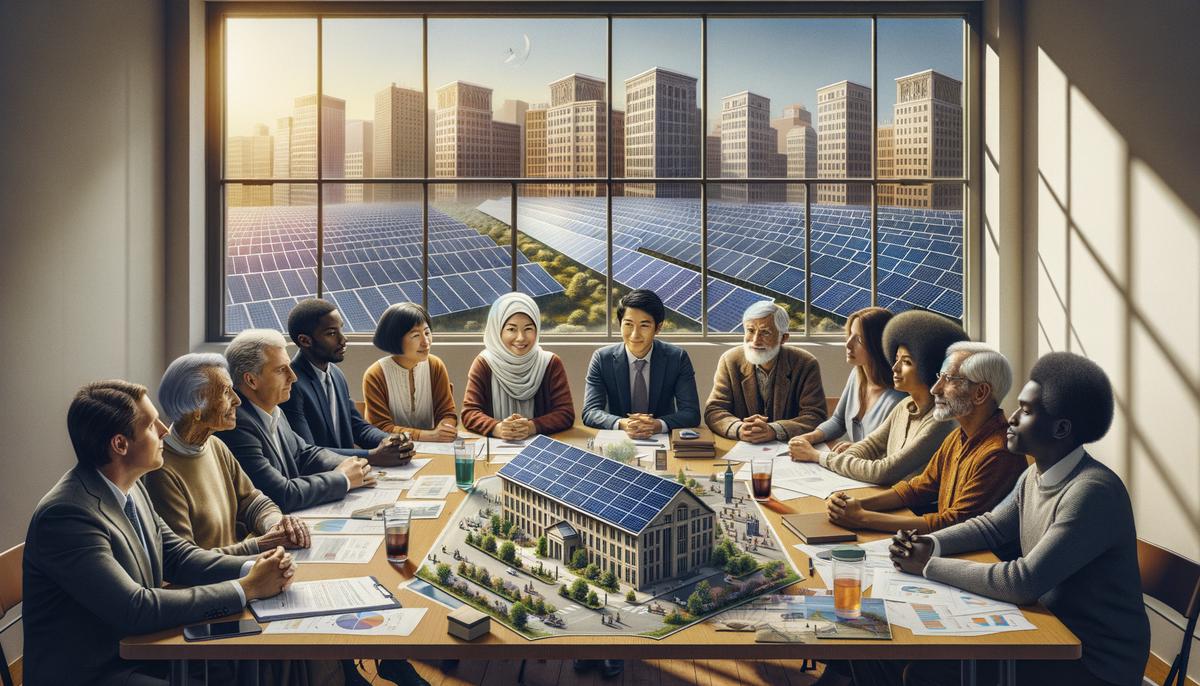
Reliable energy is essential for modern life and should be universally available. Infrastructure development must emphasize grid modernization, microgrids, and distributed generation to ensure an equitably powered future.
Modernizing the grid allows it to handle intermittent renewable sources like solar and wind, which fluctuate with weather conditions. Improved grid reliability means fewer power outages, particularly critical for underserved communities.
Microgrids and distributed generation can revolutionize energy access, especially in areas where traditional grid extension is impractical. These localized energy systems operate independently, ensuring energy security and resilience.
Smart grid technologies, including advanced meters and demand response systems, monitor and adjust energy flows in real-time. This approach allows for seamless integration of renewable sources while maintaining grid stability.
As we innovate and expand our energy infrastructure, we must do so inclusively, ensuring that all individuals benefit from these developments. This isn't just about technical upgrades; it's about embedding justice into the very structure of our energy networks.

Community Engagement and Empowerment
Community-led renewable energy projects highlight the power of collective action and local empowerment. These initiatives engage residents directly in the transition to cleaner energy, fostering a sense of ownership and pride.
Capacity building and training programs play a critical role in transforming local residents into champions of renewable energy. Equipped with expertise in energy technologies and project management, community members can actively participate, innovate, and advocate for policies that ensure fair access to clean energy.
Renewable energy projects create economic opportunities, from job creation to the establishment of new markets and industries. These ventures can invigorate entire regions, improving quality of life and providing sustainable economic uplift.
Successful projects often involve strategic partnerships with:
- Governments
- NGOs
- Private enterprises
These partnerships provide essential funding, technical assistance, and advocacy. Supportive policy frameworks ensure these projects can thrive without being hindered by bureaucratic or financial barriers.
By bridging energy access with local development goals, we can build vibrant, resilient communities equipped to face future challenges with confidence.
Addressing Equity Concerns in Renewable Energy
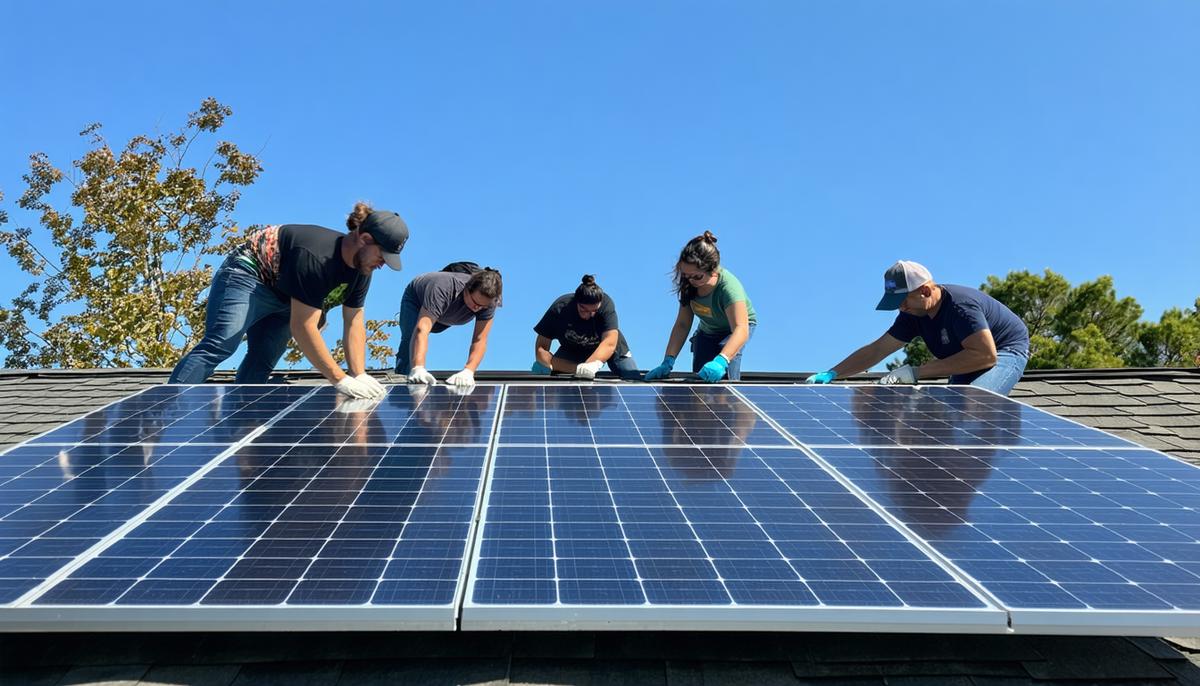
Environmental justice ensures that the benefits and opportunities of clean energy are accessible to all, particularly marginalized and vulnerable communities. This involves designing renewable energy projects that minimize environmental impacts and distribute their benefits equitably across different social and economic groups.
Access to information and participation are essential for equitable renewable energy development. Communities should be informed and involved at every stage, from planning to execution. Clear communication about renewable energy technologies, their benefits, and relevant policies empowers communities to become active participants rather than passive recipients.
Addressing systemic barriers requires a comprehensive approach. Policies need to tackle issues like poverty, discrimination, and financial exclusion. Initiatives could include:
- Providing financial assistance for renewable energy adoption in low-income neighborhoods
- Incentivizing affordable housing projects to incorporate clean energy solutions
- Ensuring credit access for historically underserved populations
Collaborating with community-based organizations is critical in amplifying marginalized voices and ensuring their needs influence policy decisions. These organizations often possess invaluable local knowledge and trust, enabling them to advocate effectively for change.
The pursuit of equity in renewable energy is about creating a fairer world where everyone has an equal opportunity to benefit from clean energy advancements. By embedding justice and inclusion into the energy transition, we can ensure a legacy of sustainability that reflects our collective values.
Global Efforts and Technological Advancements
International cooperation enables the exchange of knowledge, technology, and resources that drive progress in energy transitions. Partnerships between nations, NGOs, and private entities create a unified front against climate challenges, leveraging global expertise for a common cause.
The United Nations Sustainable Development Goals, particularly SDG 7, guide efforts to ensure access to affordable, reliable, sustainable, and modern energy for all. This framework offers practical pathways to reduce carbon footprints and embed social justice in energy policies.
Climate finance mechanisms are integral in tackling financial hurdles, providing essential funds to support renewable energy projects. These investments spark innovation and implementation, even in economically challenged regions, propelling societies toward a cleaner, fairer future.
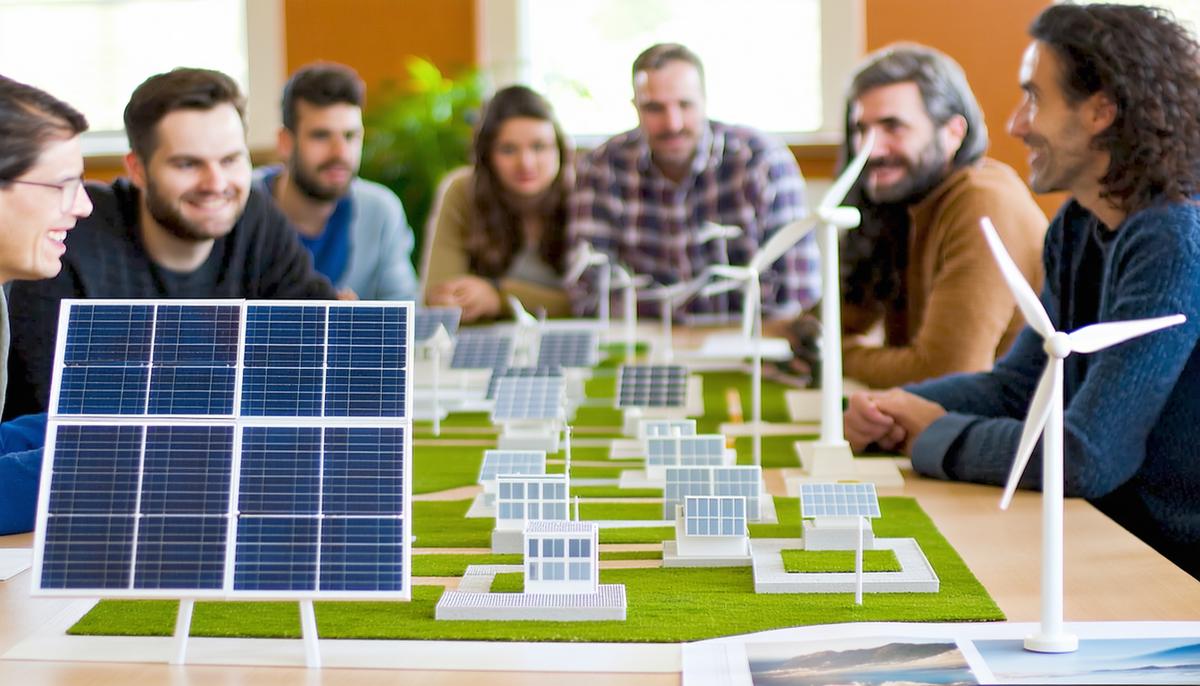
Technological advancements, such as decentralized energy systems and smart grid technologies, are crucial in bridging the energy divide. Microgrids and community solar empower local communities to generate electricity independently, reducing dependence on centralized power and increasing resilience.
"Community solar supports equitable access to renewable energy by allowing all households to benefit from solar energy, even if they are unable to install solar panels on their rooftop."
Smart grid technologies transform energy infrastructure into a responsive network capable of integrating diverse renewable sources efficiently. Advanced metering technologies and demand-response systems offer dynamic control over energy distribution, ensuring that renewable sources can be harnessed and managed effectively.
By interlinking international effort and advanced technology, we are not simply lighting up homes—we're lighting up futures, paving the way for an equitable world empowered by renewable energy.
The pursuit of equitable access to renewable energy is about fostering a fairer society. By embedding justice and inclusion into our energy transition, we can create a sustainable future that reflects our shared values and addresses historical inequalities.
- U.S. Department of Energy. Community Solar Basics. Office of Energy Efficiency & Renewable Energy.
- National Renewable Energy Laboratory. Sharing the Sun: Community Solar Market Trends.
- Solar Energy Technologies Office. National Community Solar Partnership. U.S. Department of Energy.