
Throughout history, individuals have emerged whose dedication to justice and equality has left an enduring impact on society. These figures, through their unwavering commitment and empathy, have championed causes that resonate across generations. Their stories serve as powerful reminders of the influence one person can have in shaping a more equitable world.
1. Princess Diana
Princess Diana, known as the "People's Princess," left a legacy as a humanitarian and philanthropist. Her dedication to social causes focused on critical issues like landmines, HIV/AIDS, and homelessness in London. Her work with the International Campaign to Ban Landmines amplified global awareness and action, prompting international treaties aimed at their removal.
Diana's compassion extended to marginalized communities. Her hands-on involvement with HIV/AIDS patients challenged prevailing stigmas, transforming public perception during a time when fear overshadowed empathy. Her visits and advocacy brought humanity to the forefront, making strides in how society approached and understood the pandemic.
In child healthcare, her efforts with the Great Ormond Street Hospital vitalized the institution, leveraging her influence to elevate medical care for children. Her meetings with children suffering from severe illnesses embodied empathy and connection. Her role in raising awareness about leprosy underscored her commitment to overlooked issues, demonstrating that empathy and action go beyond borders.
Diana's ability to mobilize attention and resources for these causes came to symbolize the compassionate use of public influence. Following her passing, the Princess Diana Memorial Fund generated £138 million, highlighting the lasting impact of her humanitarian efforts. Her legacy continues as a reminder of the power of compassion paired with platform in social justice movements.

2. Shirin Ebadi
Shirin Ebadi, a formidable champion of human rights, stands as a beacon of resilience and justice. Born in Iran, her journey from a prominent judge to one of the most influential human rights defenders encapsulates a career dedicated to justice and equality.
Receiving the Nobel Peace Prize in 2003, Ebadi's advocacy gained international acclaim, drawing critical attention to her native Iran and global human rights discourse. Her endeavors primarily focus on uplifting the most vulnerable, notably women and children, whose voices often go unheard amid societal pressures.
The founding of the Defenders of Human Rights Centre marked a significant milestone in her career, spearheading efforts to protect human rights defenders and uphold legal standards. Through this platform, Ebadi has tirelessly challenged the status quo, calling out injustices and pushing for systemic changes.
Despite facing personal risks, including threats and imprisonment, Ebadi's resolve never wavered. Her activism transcends borders, inspiring individuals worldwide to stand firm against injustices and advocate for the rights of those rendered invisible by political and cultural infrastructures.
In the corridors of power and legal institutions, Ebadi's voice echoes as a call for reform. She reminds us that the fight for human rights is a universal struggle intertwined with equity and dignity. Through her courage and legal expertise, she has transformed the global human rights arena, proving that advocacy can be a formidable force for change.
3. Elizabeth Fry
Elizabeth Fry emerges as a pioneering figure in social justice, particularly for her groundbreaking efforts in prison reform during the 19th century. Known as a fervent Quaker and philanthropist, Fry's legacy is etched into history for her commitment to improving the lives of those society often overlooked.
In an era where the prison system was marred by inhumane conditions, Fry's compassion led her to confront a world of injustice and negligence. Her most notable work began within Newgate Prison in London, where she was appalled by the squalor she witnessed. Under Fry's gaze, the seemingly impenetrable walls of barbarism were challenged with understanding and relentless advocacy.
Fry's reforms included:
- Introduction of education for female inmates
- Moral instruction
- Provision of labor opportunities
These were radical ideas in a time when prisoners were largely seen as irredeemable. Her interventions began with simple acts, such as distributing clothing and provisions, and expanded to advocating for wide-scale systemic changes within the British penal system.
Her efforts soon caught public attention and harnessed the support of influential figures, sparking discussions that would reverberate internationally. Her work improved conditions for prisoners in the UK and influenced prison reform movements across Europe and the United States. By institutionalizing compassion and elevating the discourse around rehabilitation versus punishment, Fry's advocacy set the groundwork for the humane treatment of inmates.
Her dedication extended beyond prison walls. As an early advocate for the abolition of the slave trade, Fry's moral compass guided her to broader arenas of social justice, continuously pushing for reforms that intersected with her belief in equality and human dignity.
Through her tireless work, Elizabeth Fry offered society a transformative perspective, one that championed empathy over retribution and rehabilitation over condemnation. Her legacy continues to inspire modern reformers, reminding us of the profound change that stems from aligning conviction with action in the fight for social justice.

4. Emmeline Pankhurst
Emmeline Pankhurst emerges as a tenacious force in the crusade for gender equality, embodying the spirit of determination that defined the suffragette movement in the United Kingdom. Born into a politically active family, Pankhurst's advocacy for women's right to vote was galvanized from an early age, setting her on a path that would reshape societal norms and attitudes toward gender.
As the leader of the suffragette movement, Pankhurst founded the Women's Social and Political Union (WSPU) in 1903. Unlike the more moderate suffragists, her organization embraced the motto of "Deeds, not Words," emphasizing direct and often confrontational tactics to demand enfranchisement. Under her leadership, the suffragettes employed bold strategies, including:
- Hunger strikes
- Public protests
- Acts of civil disobedience
These actions forced the issue of women's suffrage to the forefront of British politics.
Pankhurst's impact was born from her willingness to challenge the status quo and her ability to inspire collective action in the face of adversity. Her resolve and strategic eloquence motivated countless women to rally behind the cause, sparking a movement that was as much about securing the vote as it was about claiming agency and dignity in a world where women were marginalized.
Despite enduring arrests and facing harsh criticism, Pankhurst's relentless campaign brought about legislative changes that would pave the way for the eventual victory in 1918, when women over 30 gained the right to vote in Britain. Her efforts were instrumental in achieving broader social progress, laying the groundwork for subsequent gender equality advancements, not only in the UK but around the globe.
Emmeline Pankhurst's legacy is a testament to the power of indomitable spirit and collective action, illustrating how unwavering commitment to justice can triumph over societal constraints. Her life's work transformed the political landscape of her time and continues to inspire future generations of activists advocating for gender parity.
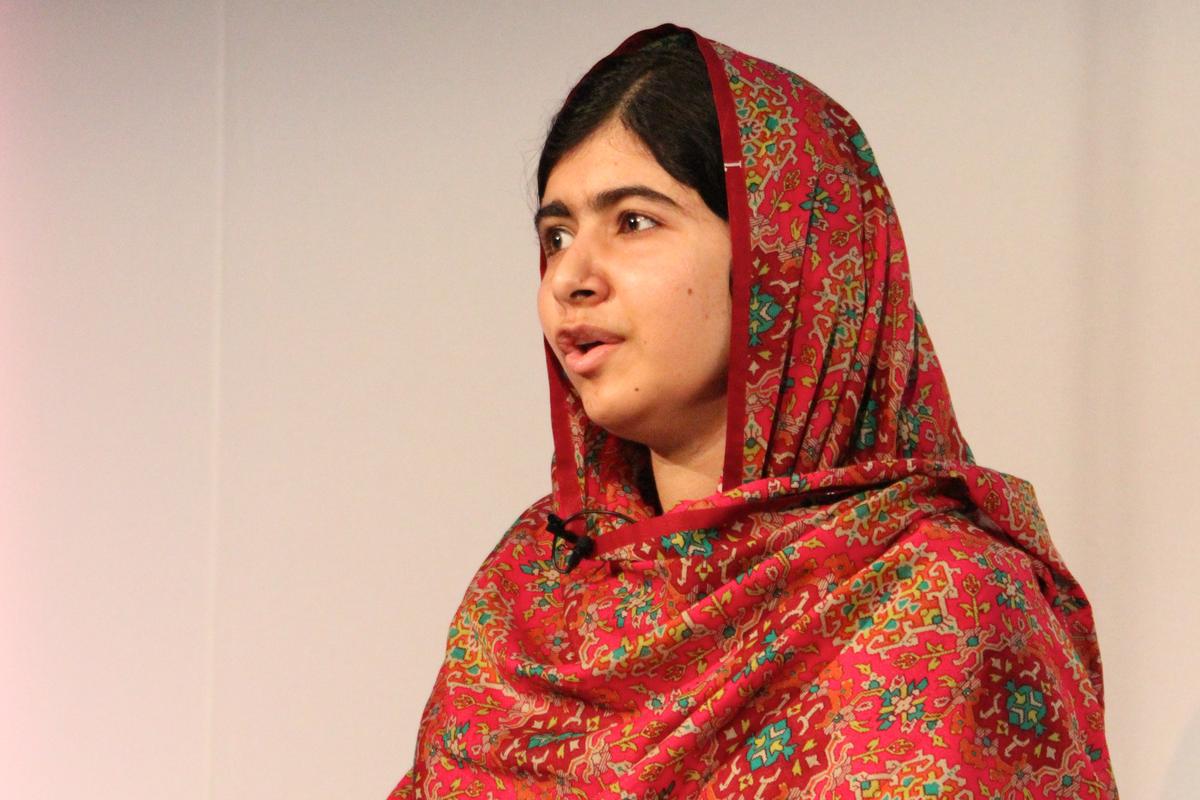
5. Malala Yousafzai
Malala Yousafzai stands as a symbol of courage and advocacy, her life a testament to the transformative power of education in the fight for social justice. Born in Pakistan's Swat Valley, Malala's journey into global consciousness began with her brave defiance against the Taliban's oppressive regime, which sought to deny girls' fundamental right to education.
At the age of 15, Malala's outspoken voice became a rallying cry for girls' education, drawing the ire of extremists determined to silence her. In 2012, a gunman boarded her school bus and shot her in the head—an attack intended to suppress her advocacy. Yet, Malala's extraordinary survival and resilience captured the hearts of millions worldwide, turning a moment of terror into an enduring spark for change.
Her recovery in the United Kingdom marked the beginning of a new chapter, where Malala emerged as a steadfast advocate for education and girls' rights. Her recognition as the youngest recipient of the Nobel Peace Prize in 2014 cemented her influence on the international stage. This accolade reflected her unwavering commitment to the power of youth and education—a belief that "one child, one teacher, one book, and one pen can change the world."
Through the establishment of the Malala Fund, she envisioned an organization that bolsters education for girls, tackling societal barriers, from extreme poverty to political instability, that impede access to schooling. Malala's work and the fund's initiatives serve as a call to action, urging world leaders and communities to prioritize education as a critical vehicle for equality and empowerment.
Malala's story amplifies the dreams and voices of millions of girls whose rights and potentials are marginalized. Her journey underscores a universal truth: education is not merely a privilege but a fundamental human right essential to achieving social justice and an equitable society. Her life continues to inspire movements worldwide, challenging us all to invest in education as a pathway to transformative change.
6. Rosa Parks
Rosa Parks, often revered as the "Mother of the Civil Rights Movement," left an indelible mark on American history through a singular act of defiance that catalyzed a larger movement against racial segregation and injustice. On December 1, 1955, in Montgomery, Alabama, Parks, a Black seamstress, made a decision that would echo throughout the nation and beyond. Her refusal to relinquish her seat to a white passenger on a racially segregated bus was not just a spontaneous act; it was a deeply considered stand against the institutional racism that pervaded American society.
Parks' courageous decision was fueled by a longstanding commitment to civil rights and social justice. Her actions ignited a transformative era in the American Civil Rights Movement, compelling individuals to confront oppression and work toward substantive change. The Montgomery Bus Boycott, lasting over a year, became a pivotal moment in the fight for equality, uniting a community in resistance and underscoring the power of collective activism.
"I have learned over the years that when one's mind is made up, this diminishes fear; knowing what must be done does away with fear." – Rosa Parks
While Parks is often celebrated for her individual bravery, her legacy is also a testament to the longstanding dedication and strategic planning of civil rights organizations, such as the NAACP, where she served as a youth adviser. Her actions provided the momentum needed for figures like Martin Luther King Jr. to emerge as leaders, ushering in an era marked by nonviolent resistance and shifts in social consciousness.
Parks' stand emboldened a movement that extended beyond the fight for desegregation. It was a clarion call drawing attention to the broader issues of systemic racism and prompting legislative advancements, including the Civil Rights Act of 1964. Her legacy serves as a powerful symbol of resistance, embodying the idea that seemingly small acts of courage can ignite extraordinary change.
Rosa Parks' life and activism remind us that the pursuit of justice is often fraught with personal challenges but is essential for societal transformation. Her story endures as a testament to the enduring fight for democracy and equality, illustrating that even in the face of adversity, steadfast courage and conviction can dismantle the structures of injustice and pave the way for a more equitable society.

7. Eleanor Roosevelt
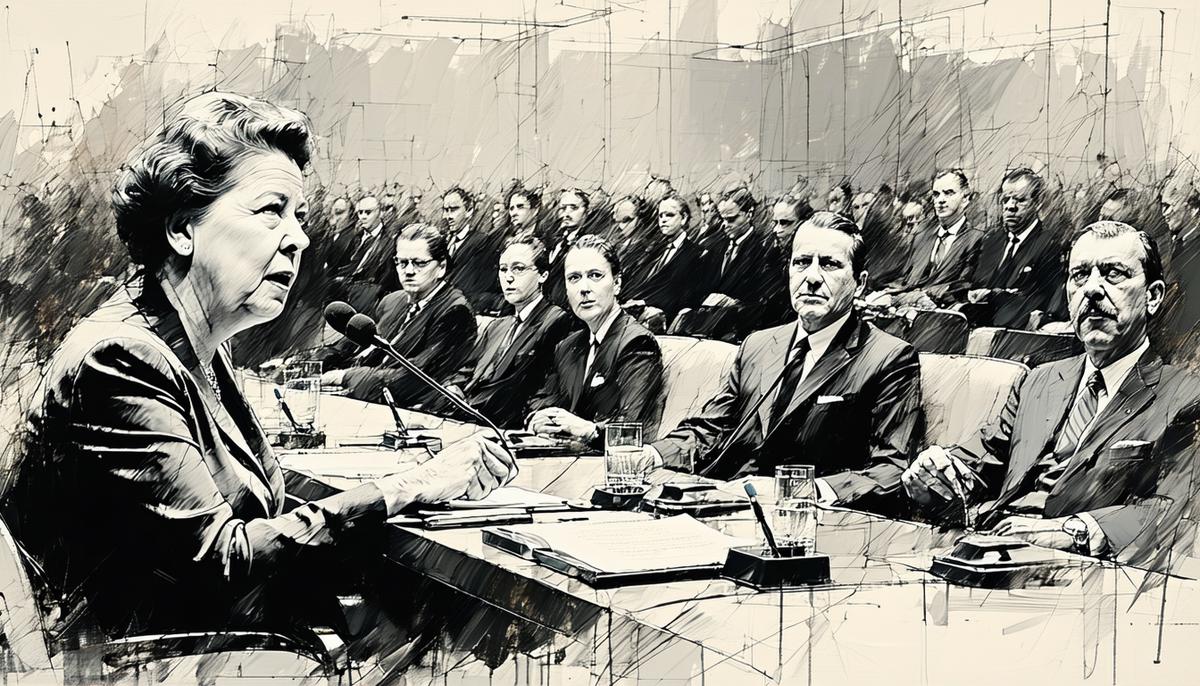
Eleanor Roosevelt was a pivotal figure in human rights advocacy, extending her influence far beyond her role as First Lady of the United States. Her appointment as the first chair of the United Nations Commission on Human Rights in 1947 marked a significant milestone in her career. In this role, she led the drafting of the Universal Declaration of Human Rights, a document that laid the foundation for international human rights law.
Roosevelt's leadership was characterized by her ability to build consensus among diverse nations and ideologies. Her diplomacy ensured that fundamental rights such as freedom, justice, and peace were prioritized in the declaration, embedding these concepts into international discourse.
Her advocacy extended to social reform issues including:
- Racial equality
- Poverty alleviation
- Women's rights
Through her weekly column, "My Day," Roosevelt engaged directly with the public on pressing social issues of her era.
Eleanor Roosevelt's legacy serves as a reminder of the transformative power of dedicated advocacy. Her work continues to inspire efforts towards a more just and equitable society.
"The future belongs to those who believe in the beauty of their dreams." – Eleanor Roosevelt
8. Gloria Steinem
Gloria Steinem stands as a prominent figure in the women's liberation movement of the 1960s and 1970s. As a journalist and advocate, she has persistently pursued gender equality and social transformation.
Steinem co-founded Ms. Magazine, which revolutionized media by centralizing women's issues in public discourse. The publication provided a platform for frank discussions on topics like:
- Reproductive rights
- Domestic violence
- Workplace discrimination
These topics challenged societal norms and encouraged women to redefine their roles.
Her journalism served as an instrument of change, addressing subjects often overlooked by mainstream outlets and elevating women's experiences to national importance. Steinem's advocacy extended beyond writing, as she supported the Equal Rights Amendment and championed issues like racial equity and LGBTQ+ rights.
Steinem's influence continues to inspire generations of activists. Her work underscores the importance of amplifying marginalized voices and fostering dialogue that incites meaningful change. Her legacy reminds us that progress stems from unwavering determination, solidarity, and the courage to challenge the status quo.
"The truth will set you free, but first it will piss you off." – Gloria Steinem
9. Ada Lovelace
Ada Lovelace, revered as the world's first computer programmer, made significant contributions to technology in the 19th century. Her work laid the groundwork for computational advancements that shape contemporary life.
Defying societal norms that often restricted women's roles, Lovelace pursued her passion for mathematics and computing. Her collaboration with inventor Charles Babbage on the Analytical Engine allowed her genius to flourish.
Lovelace's insights were revolutionary; she envisioned a machine capable of:
- Executing complex algorithms
- Performing tasks beyond mere calculation
- Creating music and art
This concept foreshadowed the possibilities of modern-day programming.
Her detailed notes and analyses on how mathematical operations might be encoded are considered the first algorithm intended for machine implementation. Lovelace's work foreshadowed the digital revolution that would follow in centuries to come.
Ada Lovelace's legacy extends into the cultural zeitgeist, symbolizing the vital intersection of creativity and technology. Her story continues to inspire initiatives championing gender equality in STEM fields, embodying a spirit of inclusivity and exploration in computing.
"That brain of mine is something more than merely mortal; as time will show." – Ada Lovelace
10. Greta Thunberg
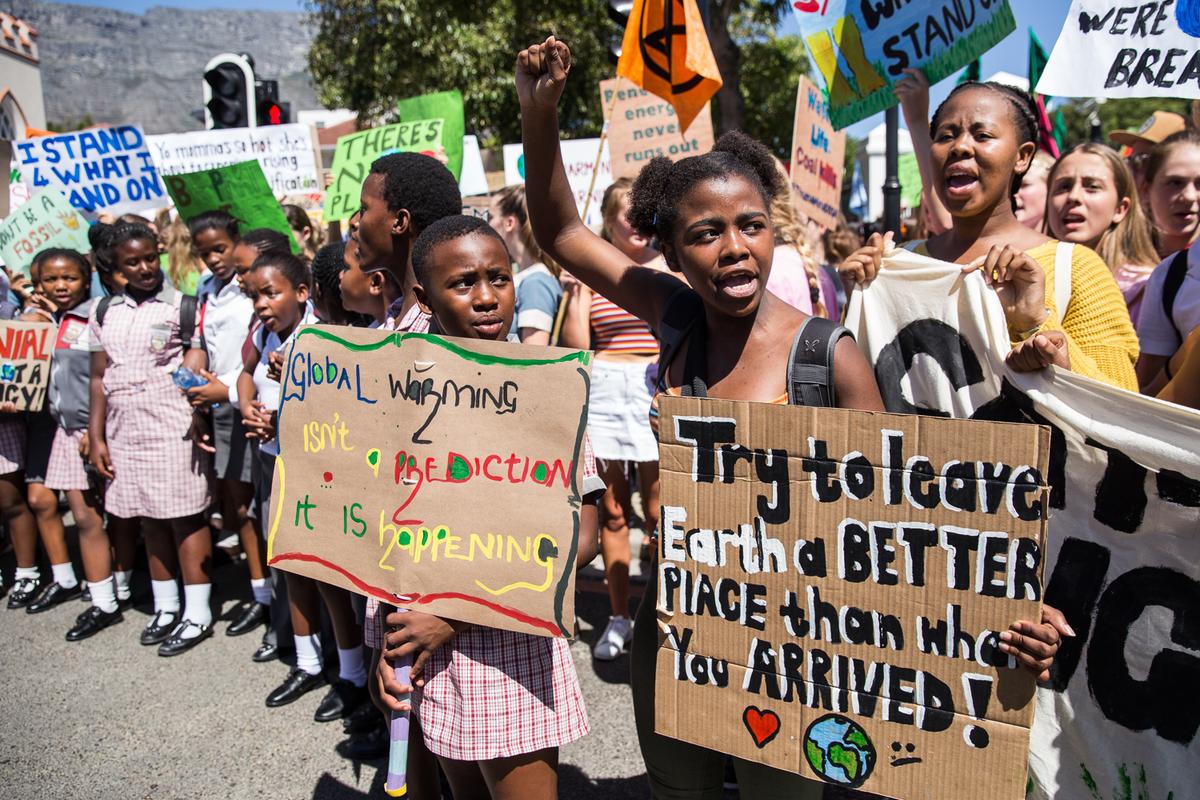
Greta Thunberg exemplifies the impact that dedicated youth can have on global discourse, particularly in climate action. Beginning with a solitary "School Strike for Climate" sign outside the Swedish parliament, Thunberg's initiative rapidly transformed into a global movement.
At 15, Thunberg sparked "Fridays for Future," a series of school strikes compelling the world to confront the realities of climate change. Her message demands immediate action from adults to secure a livable planet for future generations. Thunberg addresses political leaders with unflinching resolve, calling for accountability in her speeches.
Utilizing social media, Thunberg reaches a broad, diverse audience. Her advocacy has brought climate discourse into mainstream political agendas, challenging world leaders to adhere to international agreements like the Paris Climate Accord.
Thunberg has redefined the role of young people in shaping the future. Her movement isn't just about strikes or speeches—it's about:
- Igniting an enduring dialogue
- Fostering global solidarity
- Inspiring collective action towards sustainable solutions
Thunberg ensures that the voices of future generations remain an integral part of the climate conversation.
"I want you to act as if the house is on fire, because it is." – Greta Thunberg
These remarkable individuals demonstrate how compassion combined with action can transform societies. Their legacies inspire future generations to continue pursuing justice and equality for all.