In a world where voices often go unheard, individuals who stand up for change make a profound impact. From climate activism to social justice movements, these leaders challenge the status quo and inspire action. Their stories reflect resilience and a relentless pursuit of equity, reminding us that change is possible when courage meets conviction.
1. Greta Thunberg: Climate Crusader
Greta Thunberg's influence on climate activism is significant. In August 2018, at 15 years old, she began protesting outside the Swedish Parliament, demanding stronger action on global warming. Her solitary "school strike for climate" inspired millions of students worldwide to join her cause. Thunberg's initiative grew into the 'Fridays for Future' movement, mobilizing youth globally to voice their concerns about their endangered future.
Thunberg's message is clear: world leaders must prioritize addressing climate change. Her blunt approach caught global attention, particularly her speech at the 2019 United Nations Climate Action Summit, where she challenged international leaders with the question, "How dare you?" as she called out their inaction.
Greta's activism extends beyond speeches. Her zero-emission journey across the Atlantic Ocean to attend the 2019 UN Climate Summit in New York demonstrated her commitment to reducing fossil fuel reliance. Thunberg exemplifies the determination of a new generation unafraid to confront the status quo, emboldening countless young activists to demand substantive action on climate change.
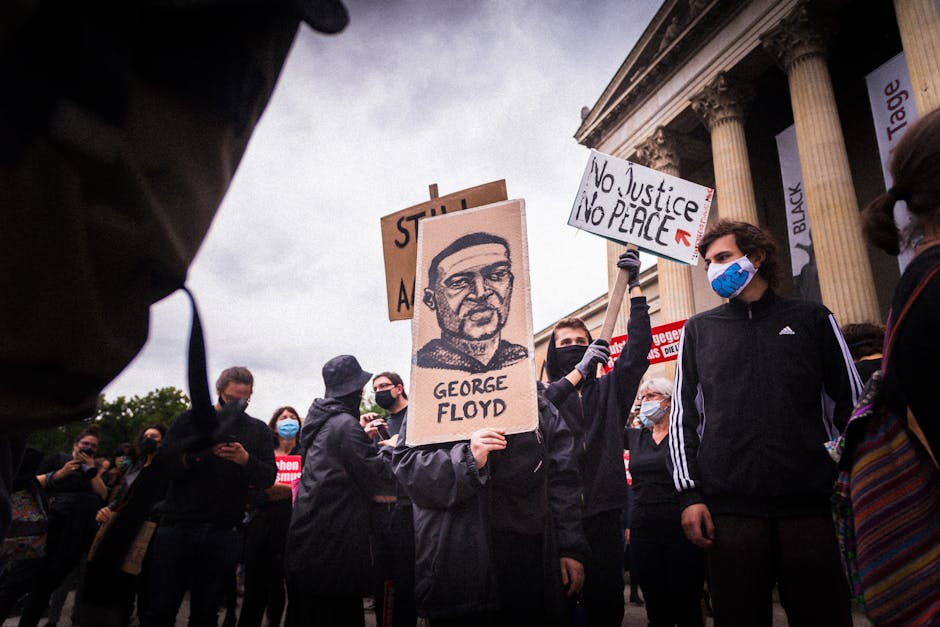
2. Alicia Garza, Patrisse Cullors, and Opal Tometi: Black Lives Matter Founders
Alicia Garza, Patrisse Cullors, and Opal Tometi transformed a powerful hashtag into a galvanizing force for change, creating a movement that has reshaped the global dialogue on race and justice.
Black Lives Matter (BLM) began in 2013, following the acquittal of Trayvon Martin's killer. What started as a social media post by Alicia Garza quickly evolved into a clarion call, resonating with countless individuals worldwide. Their objective was to confront and dismantle systemic racism and highlight the pervasive inequalities faced by Black communities.
The movement gained prominence in 2014 when the deaths of Michael Brown and Eric Garner exposed widespread police brutality. Mass protests erupted, bringing the BLM message to the forefront of national consciousness. This led to a shift in public awareness and discourse around racial injustice.
BLM's decentralized nature fosters local chapters worldwide while maintaining a cohesive mission. This structure empowers communities to address unique localized challenges while echoing the broader goals of the movement.
The movement has catalyzed conversations and spurred tangible change, influencing reforms in policing policies and criminal justice practices in various U.S. cities. Globally, it has incited introspections into systemic racism and promoted inclusivity and equity across diverse societies.
Garza, Cullors, and Tometi established a blueprint for modern social movements, leveraging digital platforms to mobilize and unify voices for justice. Their work continues to inspire a generation of activists, reinforcing the enduring truth that Black Lives Matter.
3. Tarana Burke: #MeToo Movement Pioneer
Tarana Burke's work with the #MeToo movement created a significant shift in the conversation about sexual harassment and assault. Originating in 2006, the phrase "Me Too" was Burke's attempt to promote solidarity and healing among survivors of sexual violence, especially within marginalized communities. Years later, her grassroots initiative became a global phenomenon, catalyzing a wave of personal storytelling that highlighted the prevalence of sexual misconduct.
The movement gained momentum in October 2017 when actress Alyssa Milano's tweet popularized the hashtag #MeToo following revelations of sexual assault allegations against Hollywood producer Harvey Weinstein. Millions of voices shared their experiences, challenging societal norms of silence and stigma.
Burke's leadership transformed #MeToo from a hashtag to a formidable cultural and social movement. It has prompted:
- High-profile resignations
- Legal reforms
- Policy changes across industries
Beyond high-profile cases, Burke emphasizes the movement's roots in fostering community healing, advocating for justice, and supporting survivors through tangible resources. This community-centered approach underscores her belief that change starts with personal stories intersecting with collective action.
Through the #MeToo movement, Tarana Burke has revolutionized the discourse on sexual violence, demonstrating its systemic nature and the urgent need for societal transformation. Her work has inspired countless individuals to speak out, reinforcing the power of voice in advocacy.
4. Malala Yousafzai: Advocate for Girls' Education
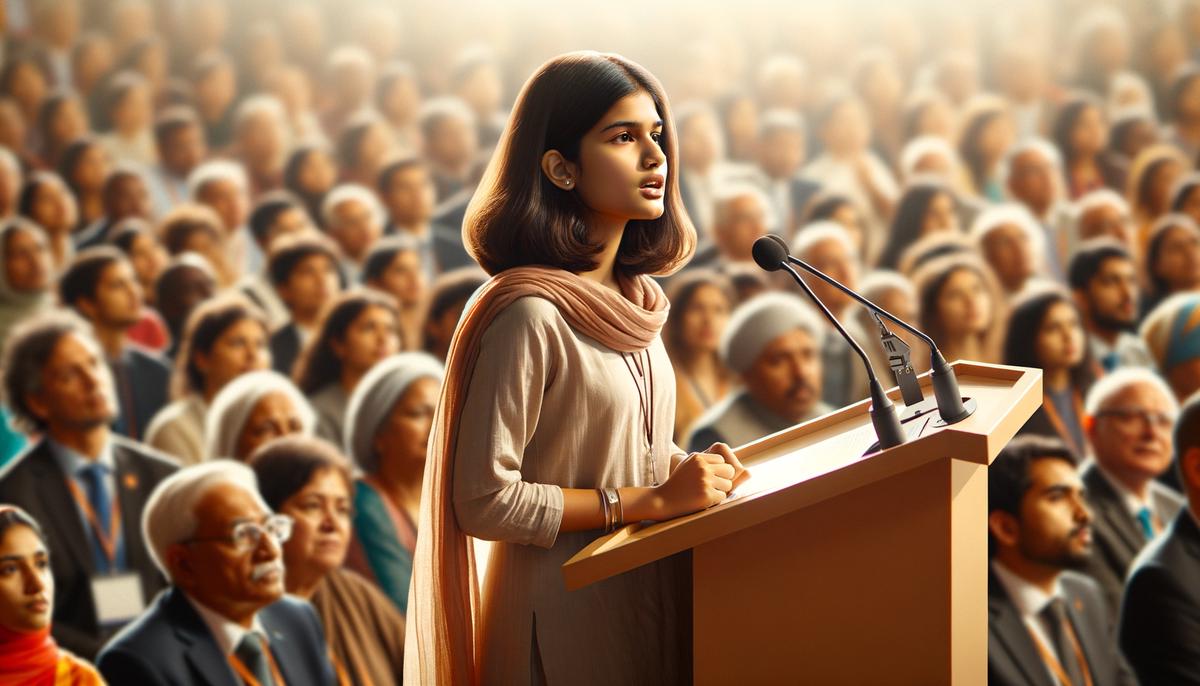
Malala Yousafzai's story is one of personal resilience and a symbol of the struggle for girls' education worldwide. In 2012, at 15, Malala survived an attack by the Taliban in Pakistan's Swat Valley, targeted for her outspoken advocacy for girls' right to education. This assault amplified her voice and commitment to educational equality.
Malala's activism began before the attack, writing an anonymous BBC blog about life under Taliban rule and documenting the obstacles girls faced in accessing education. Her survival and recovery in the United Kingdom turned her into a global symbol of defiance against oppression.
In the years following, Malala's advocacy efforts have reached extraordinary heights:
- Co-authored "I Am Malala," a memoir detailing her experiences and aspirations
- Became the youngest-ever Nobel Peace Prize laureate in 2014
- Founded the Malala Fund, focusing on policy changes and funding local education projects
The Malala Fund is committed to removing barriers that prevent more than 130 million girls around the world from attending school. With a presence in regions like Latin America, Africa, and the Middle East, the organization continues to amplify the voices of girls fighting for their education rights.
Malala's dedication has inspired young women globally to demand their rights and pursue educational opportunities. Her story underscores the importance of resilience, courage, and unwavering belief in the transformative power of education. By amplifying voices often left unheard, Malala continues to lead an enduring charge toward a world where every girl can learn and lead.
5. Brandon Wolf: Gun Safety and LGBTQ Activism
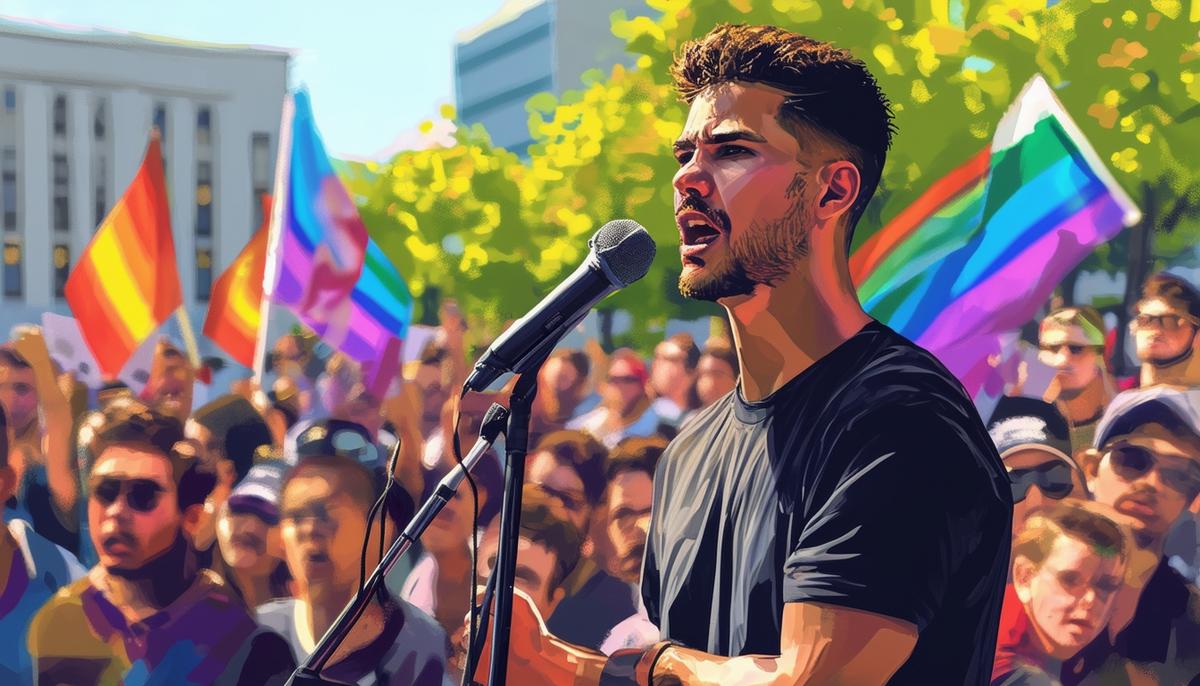
Brandon Wolf stands as an advocate committed to intertwining the struggles for gun safety with those for LGBTQ rights. His activism began in the aftermath of the Pulse nightclub shooting in Orlando, Florida — a tragedy that claimed the lives of 49 individuals, many of whom were part of the LGBTQ community. Surviving such a devastating act of violence shaped Wolf's resolve to drive change and prevent future tragedies.
Wolf's advocacy is fueled by a commitment to honoring the victims' legacies through action. He emerged as a voice in the national movement against gun violence, pushing for legislative reforms like:
- Universal background checks
- Restrictions on assault weapons
His advocacy is characterized by a demand for accountability from lawmakers who resist change.
Wolf's work is not confined to gun violence prevention alone. He champions LGBTQ rights, ensuring that the voices of the marginalized are amplified. He has been instrumental in raising awareness about the systemic issues impacting the LGBTQ community, especially the heightened violence and discrimination faced by queer people of color.
Through his role with organizations like the Human Rights Campaign and as an advisor on various social justice forums, Wolf combines advocacy with education, empowering others to join the fight for safer and more equitable communities. His testimony before Congress has highlighted the human cost of inaction and underscored the urgency for bipartisan solutions to gun violence.
Brandon Wolf's story is one of tragic loss transformed into advocacy, representing the resilience of a survivor who refuses to let despair dictate his story. His work continues to inspire a growing coalition of individuals committed to reform, showcasing the potential for personal experiences to drive systemic change when combined with unwavering activism.
6. Dolores Huerta: Champion of Labor Rights
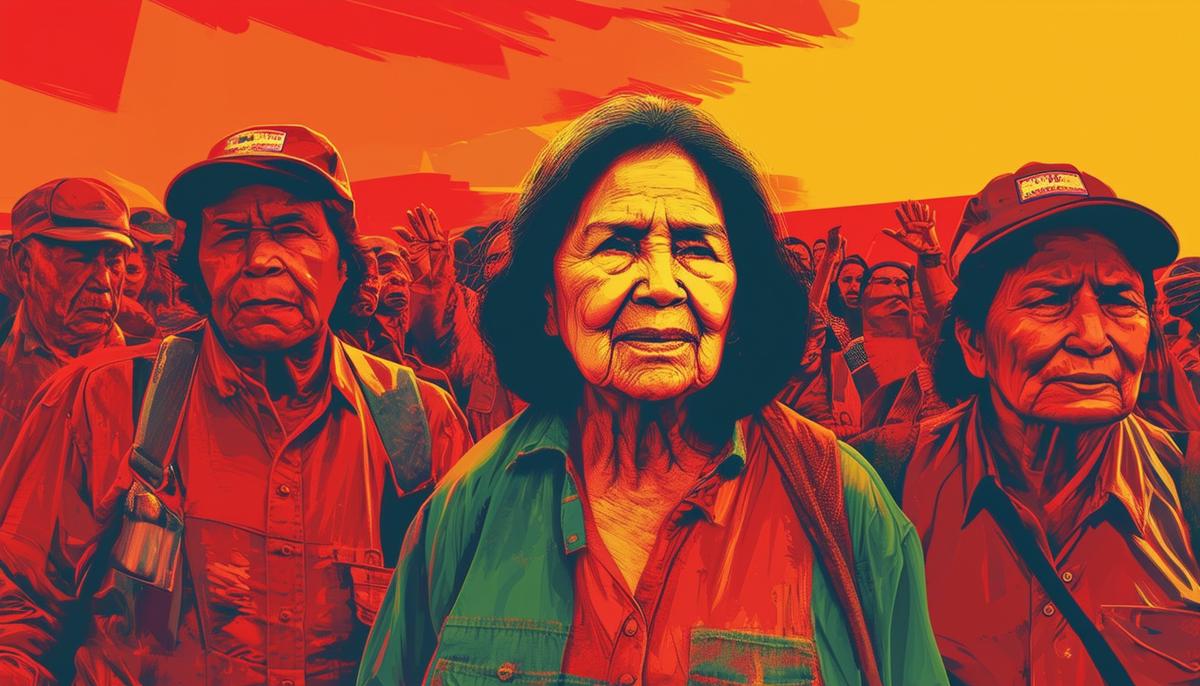
Dolores Huerta's advocacy for labor rights and social justice has left an indelible mark on the movement for equality and fairness. Her legacy as a co-founder of the United Farm Workers (UFW) alongside Cesar Chavez stands as a testament to the power of organizing and collective action. Through her decades-long commitment, Huerta has been instrumental in securing better working conditions and wages for farmworkers, a historically marginalized group.
Born in 1930 in Dawson, New Mexico, Huerta was exposed to the injustices experienced by immigrant workers from an early age. This awareness fueled her passion for advocacy, leading her to become a driving force in labor movements. Her strategic vision and leadership were pivotal in organizing strikes and boycotts, such as the renowned Delano grape strike, which brought national attention to the plight of farmworkers.
One of Huerta's most enduring contributions to the labor rights movement is her phrase, "Sí, se puede" ("Yes, we can"). This mantra transcended the boundaries of the UFW, becoming a rallying cry for various movements fighting for social change. It embodies the spirit of optimism and perseverance that Huerta has championed throughout her life—a belief in the collective power of individuals to enact meaningful change.
Huerta's advocacy extended beyond labor rights. She has been an advocate for:
- Gender equality
- Immigrant rights
- Education reform
Her work has paved the way for future generations of activists, particularly women and people of color, who draw inspiration from her achievements and commitment to social equity.
Through her leadership, Huerta has demonstrated that grassroots activism, rooted in compassion and solidarity, can propel transformative change. Her efforts have secured tangible improvements in the lives of countless individuals and shaped the discussion around workers' rights and social justice in America.
7. Hozier: Using Music for Social Change
Hozier's music is a vehicle for social change and reflection. The Irish singer-songwriter, known for his anthem "Take Me to Church," weaves issues of inequality and discrimination into his art, creating an impact that resonates beyond his captivating voice.
"Take Me to Church" emerged as a critique of societal and institutional hypocrisy, particularly targeting religious organizations often embroiled in promoting intolerance and exclusion. The 2014 release addressed themes of love and acceptance while challenging oppressive structures. The song, with its lyrics and evocative video, sparked discussion on LGBTQIA+ rights and institutional discrimination, encouraging listeners to question these injustices.
Hozier's commitment to social justice extends beyond this hit. His work frequently addresses:
- Human rights
- Environmental concerns
- Economic disparity
- Societal norms that perpetuate inequality
His music is imbued with a sense of urgency and thoughtfulness, urging audiences to embrace empathy and activism. Through his melodies and lyrics, Hozier calls for a deeper understanding of the human condition.
Beyond the studio, Hozier actively uses his platform to support various causes, demonstrating his dedication to advocating for change. He participates in benefit concerts and collaborates with organizations that champion rights and freedoms for marginalized communities. His performances at global events underscore his belief in the power of music as a universal language that can bridge divides and inspire solidarity.
By engaging with pressing social issues through his artistry, Hozier exemplifies how musicians can extend their influence to become pivotal voices in movements for change. His work serves as a testament to the power of music as a transformative force—a rallying cry for justice, dignity, and respect.

The power of advocacy lies in its ability to ignite transformation. Whether through grassroots efforts or global movements, these trailblazers demonstrate that determined individuals can reshape discussions and drive meaningful progress. Their legacies serve as reminders that the fight for justice requires unwavering commitment and collective action.
- Gun Violence Archive. Mass Shootings in 2019. 2019.
- The Washington Post. Counties that hosted a 2016 Trump rally saw a 226 percent increase in hate crimes. 2019.
- The New York Times. After Weinstein: 201 Powerful Men Accused of Sexual Misconduct. 2018.