Yes We Can
Yes We Can
United for Equality

Public Assistance for Economic Justice
The proposed amendments to the New York City Charter aim to reshape racial equity and economic justice. They seek to: Acknowledge historical atrocities Establish a Racial Equity Office Recalculate the city's true cost of living The Racial Equity Office, led by a Chief Equity Officer, would embed...
Read more →
Economic Policies for Equity
Economic inequality is a persistent issue with roots that stretch back through history, shaping the landscape of opportunity and prosperity. As we consider the policies and practices that have contributed to this divide, it becomes clear that addressing these disparities requires a thoughtful...
Read more →
Student Debt Relief Push
Student debt in America stands as one of the most pressing economic burdens on the nation. With $1.7 trillion owed collectively , it surpasses all auto loans and credit card debt combined. Only mortgages hold a larger debt title. The average graduate owes $30,000, a significant obstacle to...
Read more →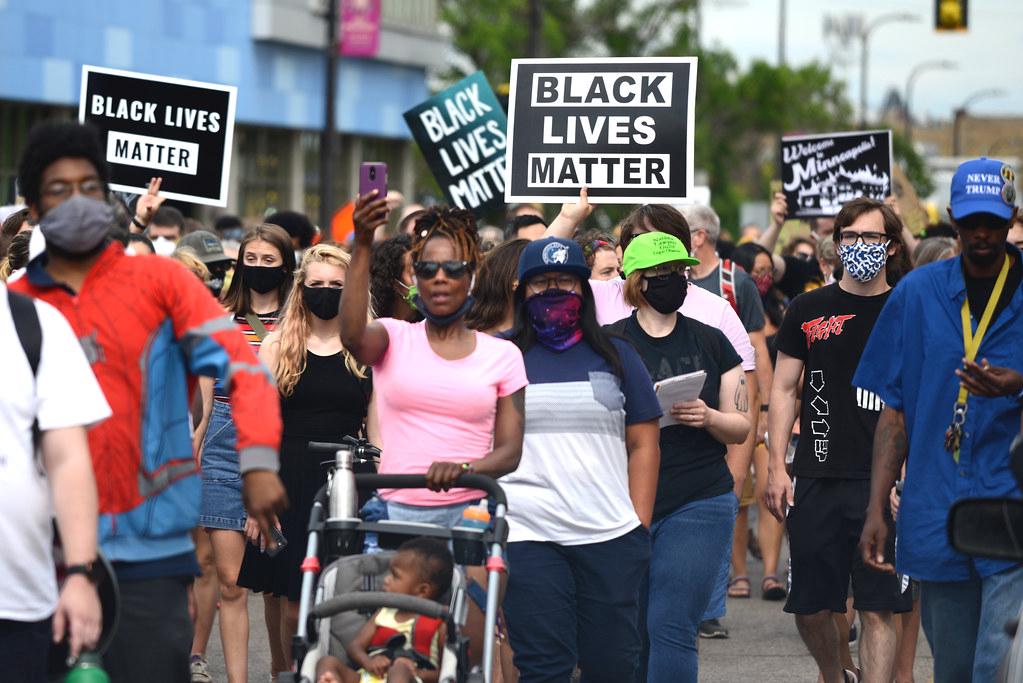
7 Corporate Accountability Wins
In a world where societal norms and corporate practices face constant scrutiny, the interplay between legislative reform and corporate responsibility is more significant than ever. As countries re-evaluate their legal frameworks and companies reassess their ethical commitments, a shift towards...
Read more →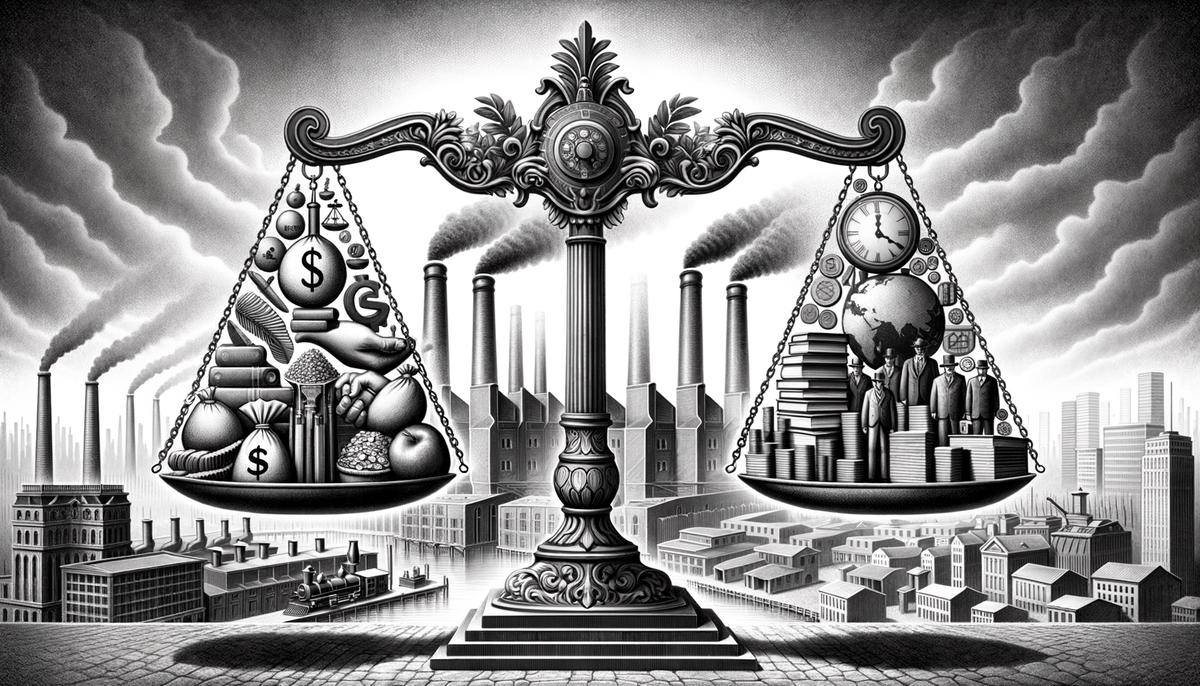
Progressives on Economic Equity
The early 20th century marked a pivotal moment in American history, characterized by significant societal shifts and economic transformations. As the nation transitioned from agrarian roots to industrial prowess, the Progressive Era emerged as a response to the challenges and inequalities of the...
Read more →
Wealth Tax and Inequality
Wealth taxation is a financial approach aimed at addressing economic inequality. It targets assets like bank accounts, stocks, bonds, and luxury properties, requiring a small percentage from those above a certain threshold. Unlike income tax, which focuses on annual earnings, a wealth tax considers...
Read more →
Paid Family Leave Fight
Paid family leave policies have evolved significantly in the United States. The Family and Medical Leave Act (FMLA) of 1993 marked a turning point, offering 12 weeks of unpaid leave. However, it fell short of advocates' vision for comprehensive paid leave. In recent decades, states have taken the...
Read more →
Affordable Housing as Social Justice
The housing affordability crisis disproportionately affects marginalized communities, burdening individuals unfairly. For many minorities, low-income families, and those with disabilities, securing affordable housing is a significant challenge that perpetuates poverty and hinders upward mobility....
Read more →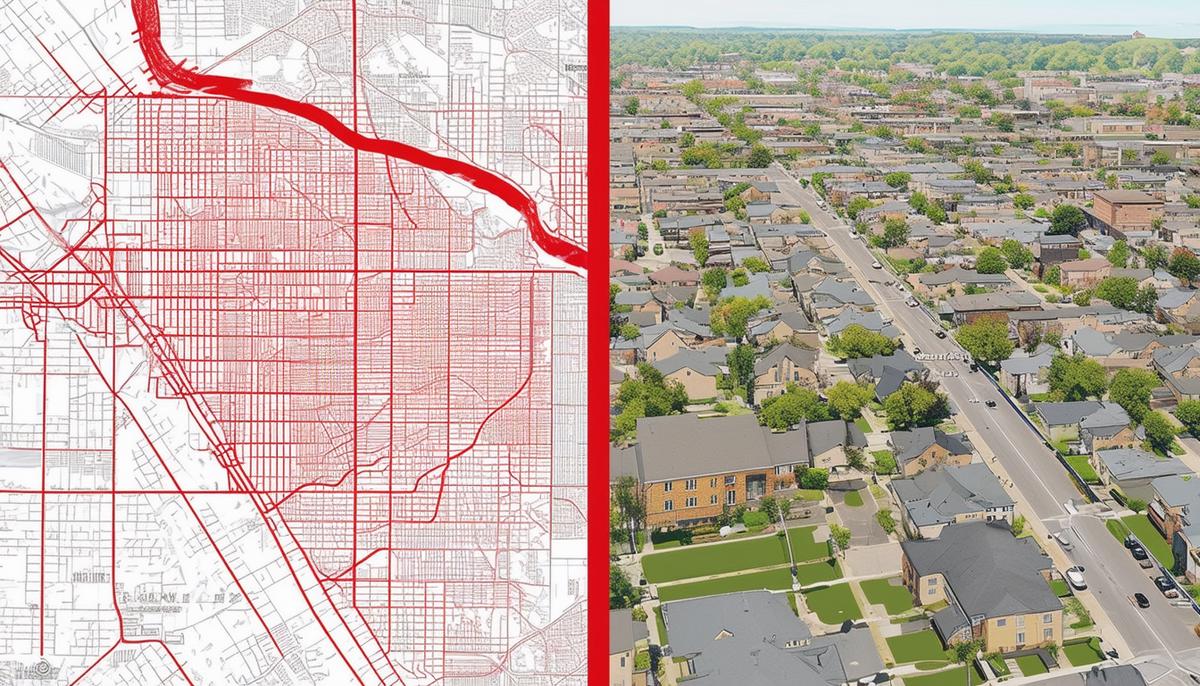
Redlining's Economic Impact
Redlining emerged in the 1930s with the Home Owners' Loan Corporation (HOLC), created during the Great Depression. HOLC introduced color-coded maps that institutionalized racial bias in real estate, marking certain neighborhoods, typically home to African Americans and other minorities, as...
Read more →
Labor Unions and Economic Equity
Labor unions play a crucial role in supporting workers and reducing income inequality. Union members typically earn significantly more than nonunion workers, with this effect influencing pay scales across industries. The impact extends beyond members, as even non-union workers may see slight...
Read more →
Economic Inequality & Race
In society, disparities in incarceration and socioeconomic barriers create a complex story, often leaving communities of color grappling with seemingly insurmountable challenges. These issues intersect with health inequities and criminal legal policies, revealing systemic bias and economic...
Read more →
Progressive Solutions for Inequality
Addressing income inequality requires thoughtful strategies to uplift individuals and strengthen communities. By focusing on equitable solutions, we can foster an environment where everyone has the opportunity to thrive. Raising the minimum wage to $15 per hour is a crucial step in addressing...
Read more →
Universal Basic Income
Universal Basic Income (UBI) has roots stretching back to the 19th century. Economists, politicians, and thinkers have contributed to its evolution over time. Juliet Rhys-Williams, a British economist, suggested a social security transfer to cover basic subsistence in 1943. In the 1960s, Milton...
Read more →
Financial Empowerment Key
Financial empowerment serves as a vital force for marginalized communities, offering a pathway to autonomy and stability. Through understanding and education, individuals can find their voices and confidently handle their financial journeys. Financial empowerment for marginalized communities is a...
Read more →
Bridging Wealth Gap
In bustling communities, where cultural heritage meets modern challenges, stories of resilience and struggle emerge. These accounts reveal the intricate layers of economic disparity and social injustice, inviting us to reflect on the broader implications for society. In Chinatown, New York City,...
Read more →Living Wage: A Progressive Perspective
A living wage represents the income necessary for workers to meet basic needs without struggling financially. Unlike the minimum wage, which often fails to keep pace with inflation, the living wage adjusts based on local costs. The MIT Living Wage Calculator provides concrete figures for essentials...
Read more →
Economic Justice and Social Progress
Economic justice is fundamental to societal progress and stability. It involves the equitable distribution of resources and opportunities across all segments of society. When economic justice prevails, it creates conditions where everyone can participate in and benefit from growth, rather than...
Read more →
Top 10 Myths About Social Justice
Amid discussions about societal issues, certain stories often capture public attention, shaping perceptions and influencing debates. By examining these topics critically, we can uncover insights that challenge prevailing assumptions and foster informed dialogue. Defensive gun use (DGU) is often...
Read more →
Progressives on Reproductive Rights
The path toward reproductive rights has been marked by both challenges and achievements. In the late 19th century, contraceptive advice was taboo, often hidden in discreet pamphlets to avoid legal troubles under Comstock laws. The 1965 Griswold v. Connecticut case marked a significant shift,...
Read more →
Systemic Racism in Policy
American history is marked by deep-rooted inequities. From the earliest days, the enslavement of African Americans was not just a reality but a norm set into law, sowing seeds of division and oppression. Even after slavery's formal abolition, Jim Crow laws ensured segregation thrived, keeping the...
Read more →